
Lockheed Martin NROL-1 Atlas IIAS
About the NROL-1 (Quasar 15) Mission
| Type | Communications |
|---|---|
| Orbit | Geostationary Orbit |
63rd and last flight of Atlas IIAS. 576th and final launch of Rocketdyne-powered Atlas rockets. Final launch from LC36A after 42 years of use. Launch delayed from June 24 and 25, July 1 and 27, August 27, 28, 29 and 30. The payload was probably a communications satellite used to relay data from imaging spy satellites.
This classified mission is operated by the National Reconnaissance Office (NRO), the U.S. government agency responsible for designing, building, and operating reconnaissance satellites. NRO missions support national security by providing critical intelligence, surveillance, and reconnaissance capabilities from space.
Understand National Reconnaissance Office satellite missions

Launch Pad & Location
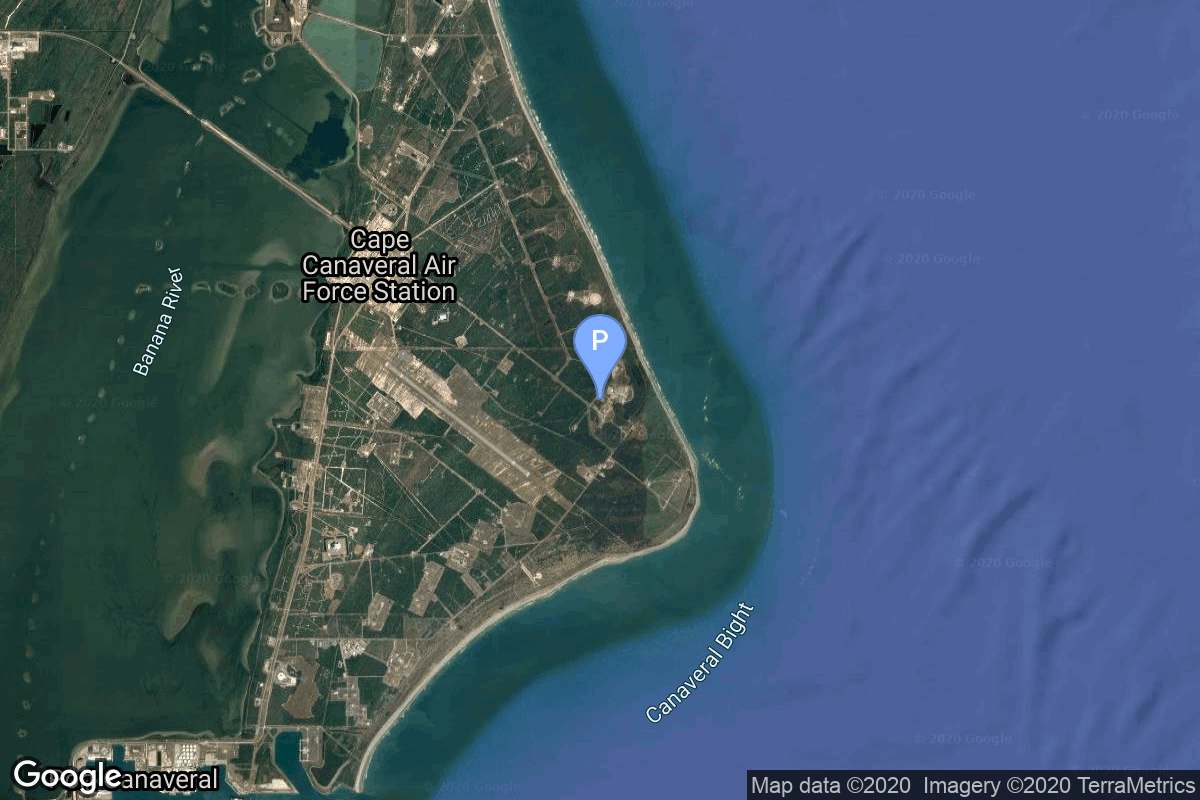
Launch Complex 36A
Cape Canaveral SFS, FL, USA
| Launches | 71 |
|---|---|
| Orbital Launch Attempts | 71 |
| Total Launches | 1111 |
Cape Canaveral Space Force Station (CCSFS) is an installation of the United States Space Force's Space Launch Delta 45, located on Cape Canaveral in Brevard County, Florida.
Lockheed Martin Atlas IIAS Rocket
Atlas II was a member of the Atlas family of launch vehicles, which evolved from the successful Atlas missile program of the 1950s. It was designed to launch payloads into low earth orbit, geosynchronous transfer orbit or geosynchronous orbit. Sixty-three launches of the Atlas II, IIA and IIAS models were carried out between 1991 and 2004; all sixty-three launches were successes, making the Atlas II the most reliable launch system in history.
About Lockheed Martin
Lockheed Martin's Space Division started in the production of missiles and later ICBM's in the 1950s. Their TITAN missile system was used for 12 Gemini spacecraft and the Voyager probes. They have worked largely in collaboration with NASA on many of their probes, landers, and spacecraft, and hope to play a key role in NASA's return to the moon in 2024.
Frequently Asked Questions
When was the Lockheed Martin Atlas IIAS NROL-1 (Quasar 15) launch scheduled?
The Lockheed Martin Atlas IIAS NROL-1 (Quasar 15) launch was scheduled for:
.
Where did the Lockheed Martin Atlas IIAS NROL-1 (Quasar 15) mission launch from?
The Lockheed Martin Atlas IIAS rocket launched from Launch Complex 36A at Cape Canaveral SFS, FL, USA. Cape Canaveral Space Force Station (CCSFS) is an installation of the United States Space Force's Space Launch Delta 45, located on Cape Canaveral in Brevard County, Florida.
What rocket was used for the NROL-1 (Quasar 15) mission?
The NROL-1 (Quasar 15) mission launched aboard a Lockheed Martin Atlas IIAS rocket. Atlas II was a member of the Atlas family of launch vehicles, which evolved from the successful Atlas missile program of the 1950s. It was designed to launch payloads into low earth orbit, geosynchronous transfer orbit or geosynchronous orbit. Sixty-three launches of the Atlas II, IIA and IIAS models were carried out between 1991 and 2004; all sixty-three launches were successes, making the Atlas II the most reliable launch system in history. Detailed rocket specifications and performance data are available in the rocket details above.
What weather conditions could have delayed the Lockheed Martin Atlas IIAS NROL-1 (Quasar 15) launch?
The Lockheed Martin Atlas IIAS NROL-1 (Quasar 15) launch could have been delayed by various weather conditions including lightning within 10 nautical miles, high winds (especially upper-level winds), thick cloud layers, precipitation, and poor visibility. Weather must be favorable at the launch site, downrange landing zones, and abort landing sites.
How can I get updates if the Lockheed Martin Atlas IIAS NROL-1 (Quasar 15) launch was delayed?
This page was updated in real-time with the latest Lockheed Martin Atlas IIAS launch status, including any delays or scrubs for the NROL-1 (Quasar 15) mission. You can also check our space launch schedule for historical launch information. Our mobile app provides push notifications for instant alerts about launch status changes. Official Lockheed Martin live streams provided the most immediate range updates during the launch window.
Last Updated
Last Updated: