
Astra Space Spaceflight Astra-1 Astra Rocket 3
Rocket Launch Video Streams
About the Spaceflight Astra-1 Mission
| Type | Technology |
|---|---|
| Orbit | Sun-Synchronous Orbit |
| Launch Cost | $2,500,000 |
S4 CROSSOVER is a technology demonstration mission to obtain flight heritage testing for a prototype payload host platform. It will test supporting future payloads, including a Globalstar transmitter and an Iridium transceiver, as well space environmental instruments to characterize the radiation and plasma densities to which the payloads will be exposed. S4 CROSSOVER is self powered and operates independently of the Astra second stage to which it is permanently attached.
Re-manifested from SXRS-6 / Transporter-3, OreSat0 is a fully open source CubeSat satellite system built from scratch by students at Portland State University. Slated to be Oregon’s first satellite, the 1U CubeSat provides flight heritage for the modular, expandable, open source, and education-friendly OreSat bus. OreSat0 paves the way for OreSat, a NASA CSLI program 2U CubeSat with a global climate science and STEM outreach mission.
Launch Pad & Location
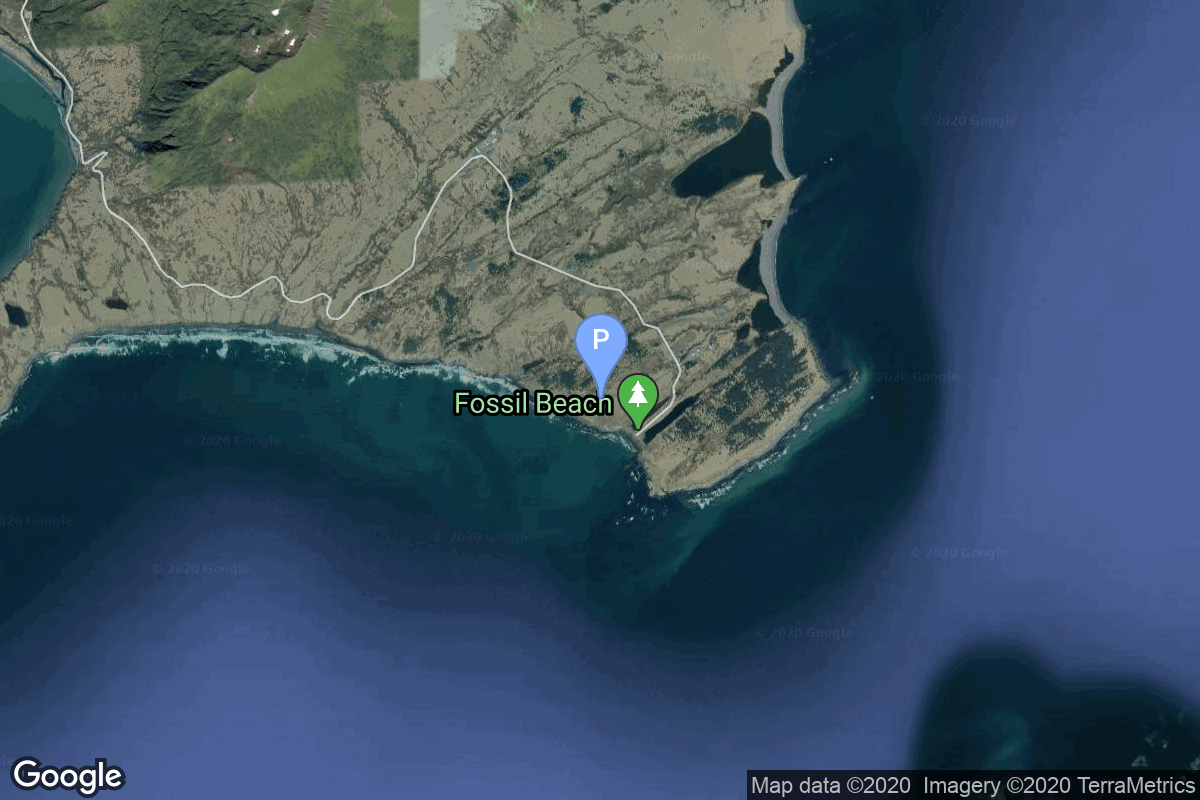
Launch Pad 3B
Pacific Spaceport Complex, Alaska, USA
| Launches | 5 |
|---|---|
| Orbital Launch Attempts | 5 |
| Total Launches | 9 |
The Pacific Spaceport Complex – Alaska (PSCA), formerly known as the Kodiak Launch Complex (KLC), is a dual-use commercial and military spaceport for sub-orbital and orbital launch vehicles. The facility is owned and operated by the Alaska Aerospace Corporation, a corporation owned by the Government of Alaska, and is located on Kodiak Island in Alaska.
Astra Space Astra Rocket 3 Rocket
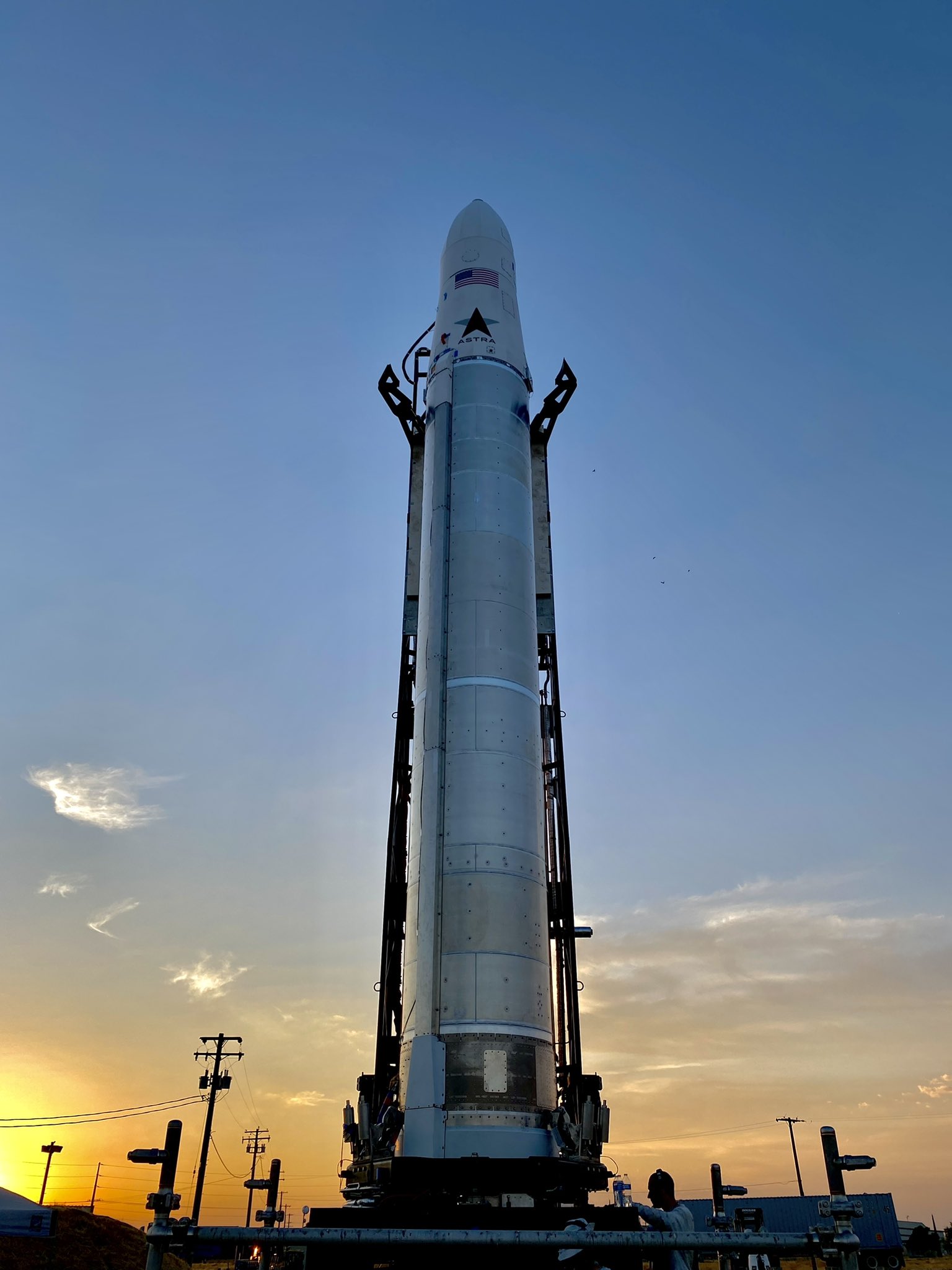
Astra Rocket 3.0 is the third version and first orbital version of Astra Space's small satellite launch vehicle. It is designed to carry 100kg in LEO.
| Length | 11.6 m |
|---|---|
| Diameter | 1.3 m |
| Stages | 2 |
| Takeoff Thrust | 140.0 kN |
| LEO Capacity | 100 kg |
| SSO Capacity | 25 kg |
| Launch Cost | $2,500,000 |
| Maiden Flight | 9/12/2020 |
About Astra Space
Astra Space is a launch vehicle company based in San Francisco, California, that develops pump-fed, liquid bipropellant propulsion engines for DARPA and NASA as well as their Astra Rocket launch vehicle.
| Total Launches | 7 |
|---|---|
| Successful | 2 |
| Failed | 5 |
| Pending | 1 |

Frequently Asked Questions
When was the Astra Space Astra Rocket 3 Spaceflight Astra-1 launch scheduled?
The Astra Space Astra Rocket 3 Spaceflight Astra-1 launch was scheduled for:
.
Where can I watch the Astra Space Astra Rocket 3 Spaceflight Astra-1 launch video?
You can watch the Astra Space Astra Rocket 3 launch video on this page. The official video includes full mission coverage with multiple camera angles, onboard views, and expert commentary covering pre-launch procedures, liftoff, stage separation, and payload deployment.
Where did the Astra Space Astra Rocket 3 Spaceflight Astra-1 mission launch from?
The Astra Space Astra Rocket 3 rocket launched from Launch Pad 3B at Pacific Spaceport Complex, Alaska, USA. The Pacific Spaceport Complex – Alaska (PSCA), formerly known as the Kodiak Launch Complex (KLC), is a dual-use commercial and military spaceport for sub-orbital and orbital launch vehicles. The facility is owned and operated by the Alaska Aerospace Corporation, a corporation owned by the Government of Alaska, and is located on Kodiak Island in Alaska.
What rocket was used for the Spaceflight Astra-1 mission?
The Spaceflight Astra-1 mission launched aboard a Astra Space Astra Rocket 3 rocket. Astra Rocket 3.0 is the third version and first orbital version of Astra Space's small satellite launch vehicle. It is designed to carry 100kg in LEO. Detailed rocket specifications and performance data are available in the rocket details above.
What weather conditions could have delayed the Astra Space Astra Rocket 3 Spaceflight Astra-1 launch?
The Astra Space Astra Rocket 3 Spaceflight Astra-1 launch could have been delayed by various weather conditions including lightning within 10 nautical miles, high winds (especially upper-level winds), thick cloud layers, precipitation, and poor visibility. Weather must be favorable at the launch site, downrange landing zones, and abort landing sites.
How can I get updates if the Astra Space Astra Rocket 3 Spaceflight Astra-1 launch was delayed?
This page was updated in real-time with the latest Astra Space Astra Rocket 3 launch status, including any delays or scrubs for the Spaceflight Astra-1 mission. You can also check our space launch schedule for historical launch information. Our mobile app provides push notifications for instant alerts about launch status changes. Official Astra Space live streams provided the most immediate range updates during the launch window.
Last Updated
Last Updated:
-
S/C separation confirmed and signals received by clients.
-
Liftoff of LV0009 for the Astra Spaceflight-1 mission
-
Scrubbed due to weather violations.
-
Webcast live
-
New launch time.
-
Moving to TBD March pending FAA license.
-
NET March 14
-
NET March 13 15:22 UTC
-
Moving to March TBD pending news from Astra about the ELaNa 41 launch failure investigation.
-
Delayed by eight days per latest USCG Local Notice to Mariners.
-
Adding launch NET February 20, 14:30-15:30 UTC.