
Orbital ATK Cygnus CRS OA-8 (S.S. Gene Cernan) Antares 230
Rocket Launch Video Streams
Weather Forecast During Launch
According to weather officials, there's a 95% chance of favorable weather conditions at the time of the launch.
About the Cygnus CRS OA-8 (S.S. Gene Cernan) Mission
| Type | Resupply |
|---|---|
| Orbit | Low Earth Orbit |
| Launch Cost | Array |
This is the ninth planned flight of the Orbital ATK's unmanned resupply spacecraft Cygnus and its eighth flight to the International Space Station under the Commercial Resupply Services contract with NASA.
Launch Pad & Location
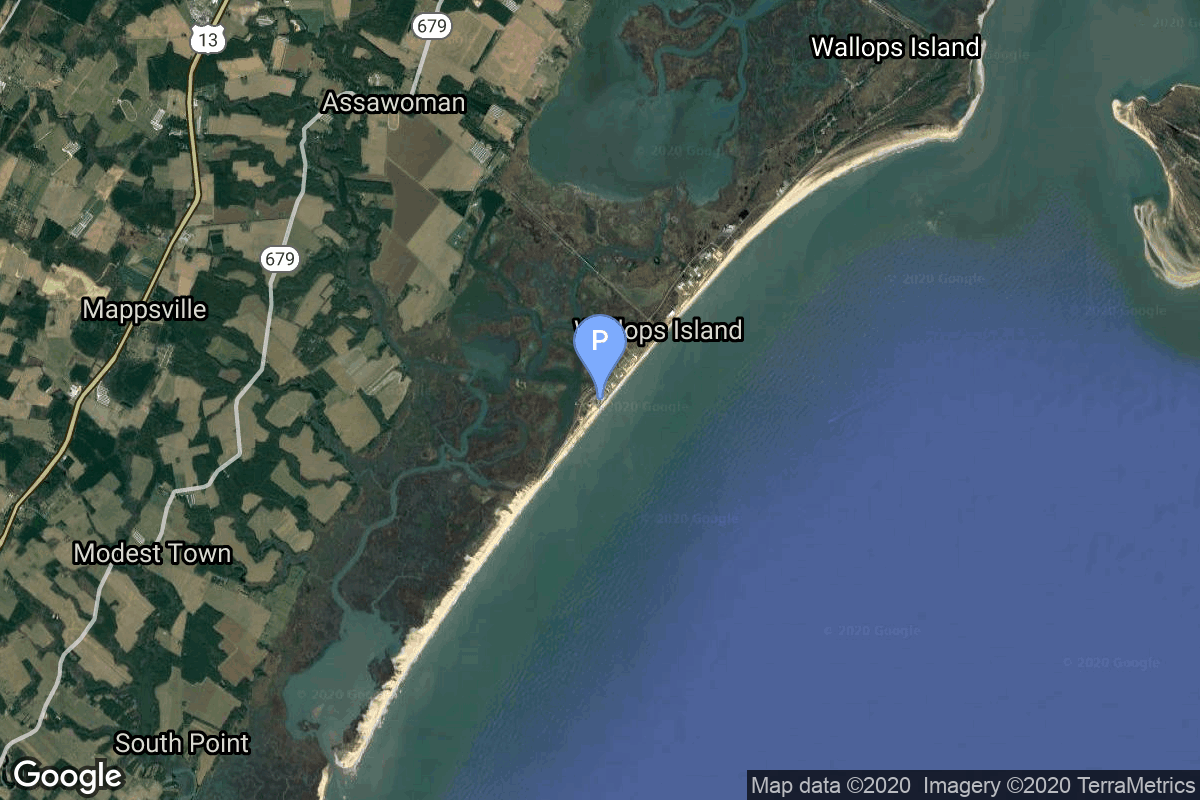
Launch Area 0 A
Wallops Flight Facility, Virginia, USA
| Launches | 19 |
|---|---|
| Orbital Launch Attempts | 19 |
| Total Launches | 86 |
Wallops Flight Facility is a rocket launch site on Wallops Island on the Eastern Shore of Virginia, United States, just east of the Delmarva Peninsula and north-northeast of Norfolk. The facility is operated by the Goddard Space Flight Center in Greenbelt, Maryland, and primarily serves to support science and exploration missions for NASA and other federal agencies. WFF includes an extensively instrumented range to support launches of more than a dozen types of sounding rockets; small expendable suborbital and orbital rockets; high-altitude balloon flights carrying scientific instruments for atmospheric and astronomical research; and, using its Research Airport, flight tests of aeronautical research aircraft, including uncrewed aerial vehicles.
Northrop Grumman Space Systems Antares 230 Rocket
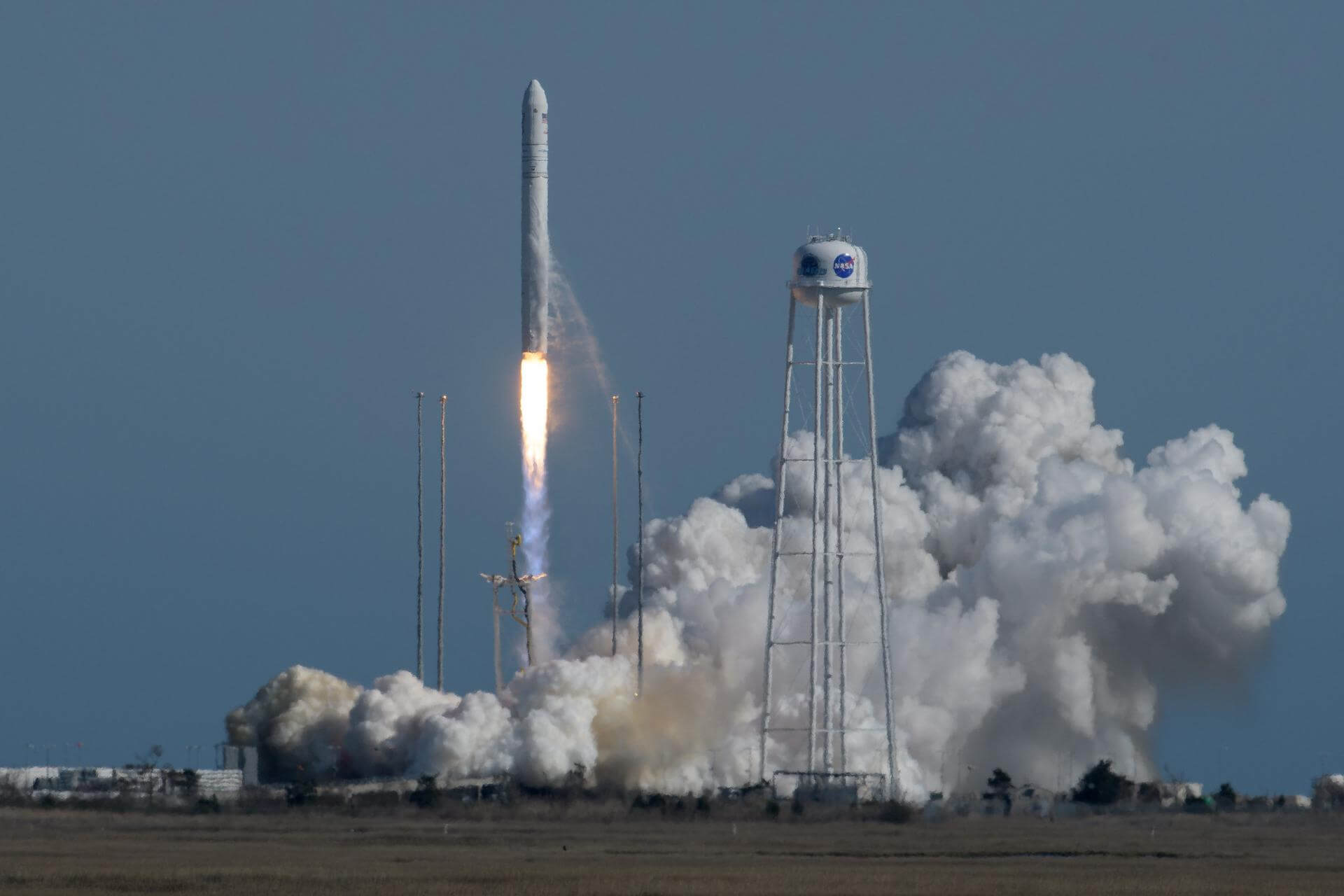
Antares known during early development as Taurus II, is an expendable launch system developed by Orbital Sciences Corporation (now part of Northrop Grumman Innovation Systems after Northrop Grumman acquired Orbital ATK) and the Yuzhnoye Design Bureau to launch the Cygnus spacecraft to the International Space Station as part of NASA's COTS and CRS programs. Able to launch payloads heavier than 5,000 kg (11,000 lb) into low-Earth orbit, Antares is the largest rocket operated by Orbital ATK. Antares launches from the Mid-Atlantic Regional Spaceport and made its inaugural flight on April 21, 2013.
| Length | 42.5 m |
|---|---|
| Diameter | 3.9 m |
| Stages | 3 |
| Launch Mass | 286.0 T |
| Takeoff Thrust | 3,844.0 kN |
| LEO Capacity | 7,800 kg |
| Maiden Flight | 10/17/2016 |
Learn more about the Northrop Grumman Space Systems Antares 230 Rocket
About Orbital ATK
Orbital ATK Inc. was an American aerospace manufacturer and defense industry company. It was formed in 2015 from the merger of Orbital Sciences Corporation and parts of Alliant Techsystems. Orbital ATK was purchased by Northrop Grumman in 2018.
| Total Launches | 6 |
|---|---|
| Successful | 6 |
| Consecutive Success | 6 |

Frequently Asked Questions
When was the Orbital ATK Antares 230 Cygnus CRS OA-8 (S.S. Gene Cernan) launch scheduled?
The Orbital ATK Antares 230 Cygnus CRS OA-8 (S.S. Gene Cernan) launch was scheduled for:
.
Where can I watch the Orbital ATK Antares 230 Cygnus CRS OA-8 (S.S. Gene Cernan) launch video?
You can watch the Orbital ATK Antares 230 launch video on this page. The official video includes full mission coverage with multiple camera angles, onboard views, and expert commentary covering pre-launch procedures, liftoff, stage separation, and payload deployment.
Where did the Orbital ATK Antares 230 Cygnus CRS OA-8 (S.S. Gene Cernan) mission launch from?
The Orbital ATK Antares 230 rocket launched from Launch Area 0 A at Wallops Flight Facility, Virginia, USA. Wallops Flight Facility is a rocket launch site on Wallops Island on the Eastern Shore of Virginia, United States, just east of the Delmarva Peninsula and north-northeast of Norfolk. The facility is operated by the Goddard Space Flight Center in Greenbelt, Maryland, and primarily serves to support science and exploration missions for NASA and other federal agencies. WFF includes an extensively instrumented range to support launches of more than a dozen types of sounding rockets; small expendable suborbital and orbital rockets; high-altitude balloon flights carrying scientific instruments for atmospheric and astronomical research; and, using its Research Airport, flight tests of aeronautical research aircraft, including uncrewed aerial vehicles.
What rocket was used for the Cygnus CRS OA-8 (S.S. Gene Cernan) mission?
The Cygnus CRS OA-8 (S.S. Gene Cernan) mission launched aboard a Orbital ATK Antares 230 rocket. Antares known during early development as Taurus II, is an expendable launch system developed by Orbital Sciences Corporation (now part of Northrop Grumman Innovation Systems after Northrop Grumman acquired Orbital ATK) and the Yuzhnoye Design Bureau to launch the Cygnus spacecraft to the International Space Station as part of NASA's COTS and CRS programs. Able to launch payloads heavier than 5,000 kg (11,000 lb) into low-Earth orbit, Antares is the largest rocket operated by Orbital ATK. Antares launches from the Mid-Atlantic Regional Spaceport and made its inaugural flight on April 21, 2013. Detailed rocket specifications and performance data are available in the rocket details above.
What weather conditions could have delayed the Orbital ATK Antares 230 Cygnus CRS OA-8 (S.S. Gene Cernan) launch?
The Orbital ATK Antares 230 Cygnus CRS OA-8 (S.S. Gene Cernan) launch could have been delayed by various weather conditions including lightning within 10 nautical miles, high winds (especially upper-level winds), thick cloud layers, precipitation, and poor visibility. Weather must be favorable at the launch site, downrange landing zones, and abort landing sites.
How can I get updates if the Orbital ATK Antares 230 Cygnus CRS OA-8 (S.S. Gene Cernan) launch was delayed?
This page was updated in real-time with the latest Orbital ATK Antares 230 launch status, including any delays or scrubs for the Cygnus CRS OA-8 (S.S. Gene Cernan) mission. You can also check our space launch schedule for historical launch information. Our mobile app provides push notifications for instant alerts about launch status changes. Official Orbital ATK live streams provided the most immediate range updates during the launch window.
Last Updated
Last Updated: