
Space Images November 9, 2026
Rigel and the Witch Head Nebula
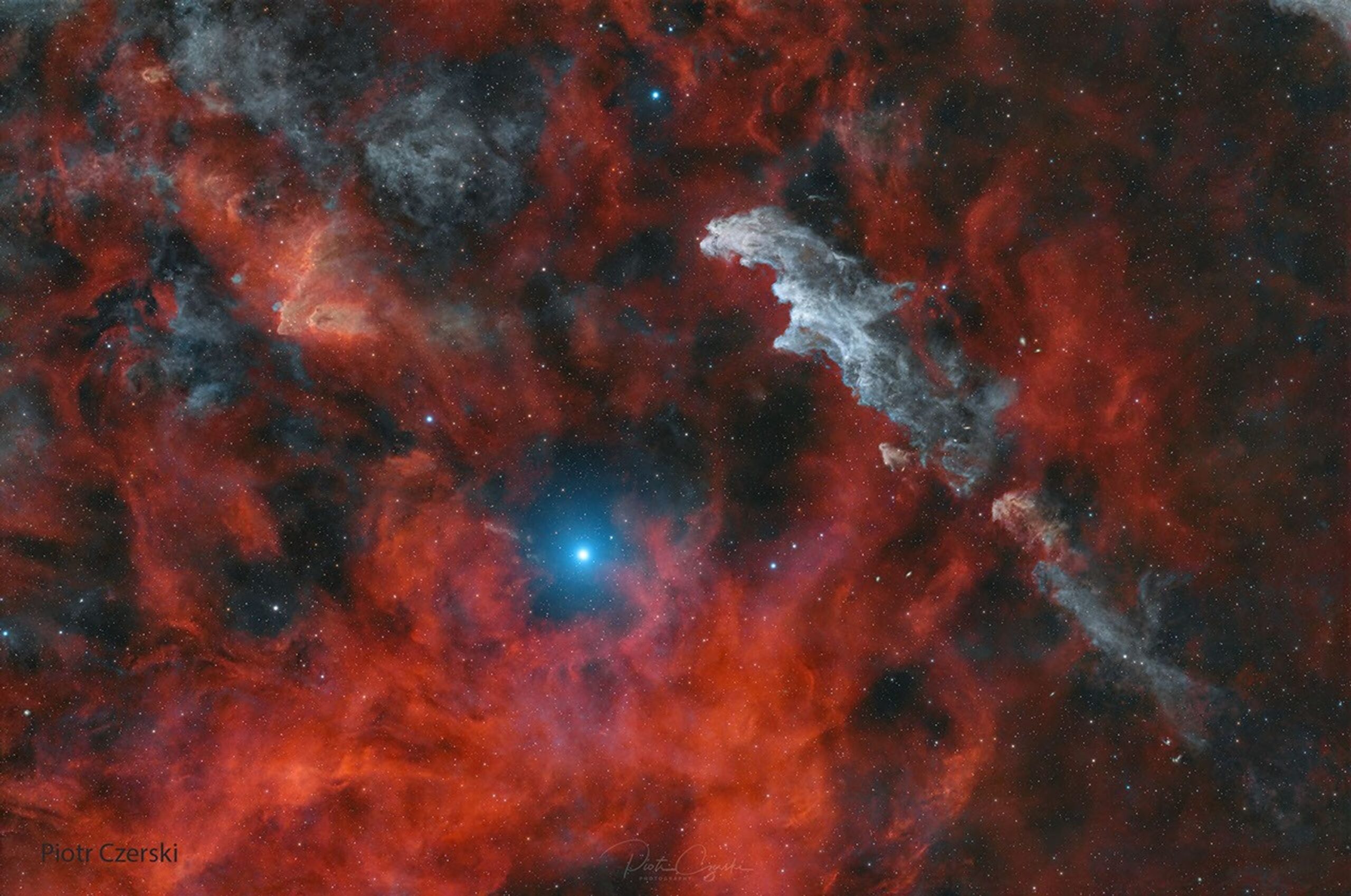
Explanation: Does the blue nebula look like the head of a witch? The nebula is known popularly as the Witch Head Nebula because, it is said, the nebula's shape resembles a Halloween-style caricature of a witch's head. Exactly how, though, can be a topic of imaginative speculation. What is clear is that IC 2118 is about 50 light-years across and made of gas and dust that points to — because it has been partly eroded by — the nearby star Rigel. One of the brighter stars in the constellation Orion, Rigel lies just below the center of the featured image. The blue color of the Witch Head Nebula and is caused not only by Rigel's intense blue starlight but also because the dust grains scatter blue light more efficiently than red. The same physical process causes Earth's daytime sky to appear blue, although the scatterers in planet Earth's atmosphere are molecules of nitrogen and oxygen.Tomorrow's picture: suddenly Saturn
Astronauts Across Generations Share the Stage

On Nov. 6, 2026, Purpose Entertainment hosted the Artemis Celebration Gala at NASA's Kennedy Space Center Visitor Complex in Merritt Island, Florida. Held on the eve of NASA's MAX POWER event, the gala celebrated the explorers, innovators, and visionaries advancing the next era of human spaceflight. The event honored the successful completion of the agency's Artemis II mission, marking a historic milestone in America's return to deep space exploration. As one of the signature events concluding the nation's 250th anniversary celebration, the gala commemorated the achievements of Artemis II while looking ahead to humanity's return to the lunar surface through the Artemis campaign.
Ozone Hole Reaches Its 2026 Maximum
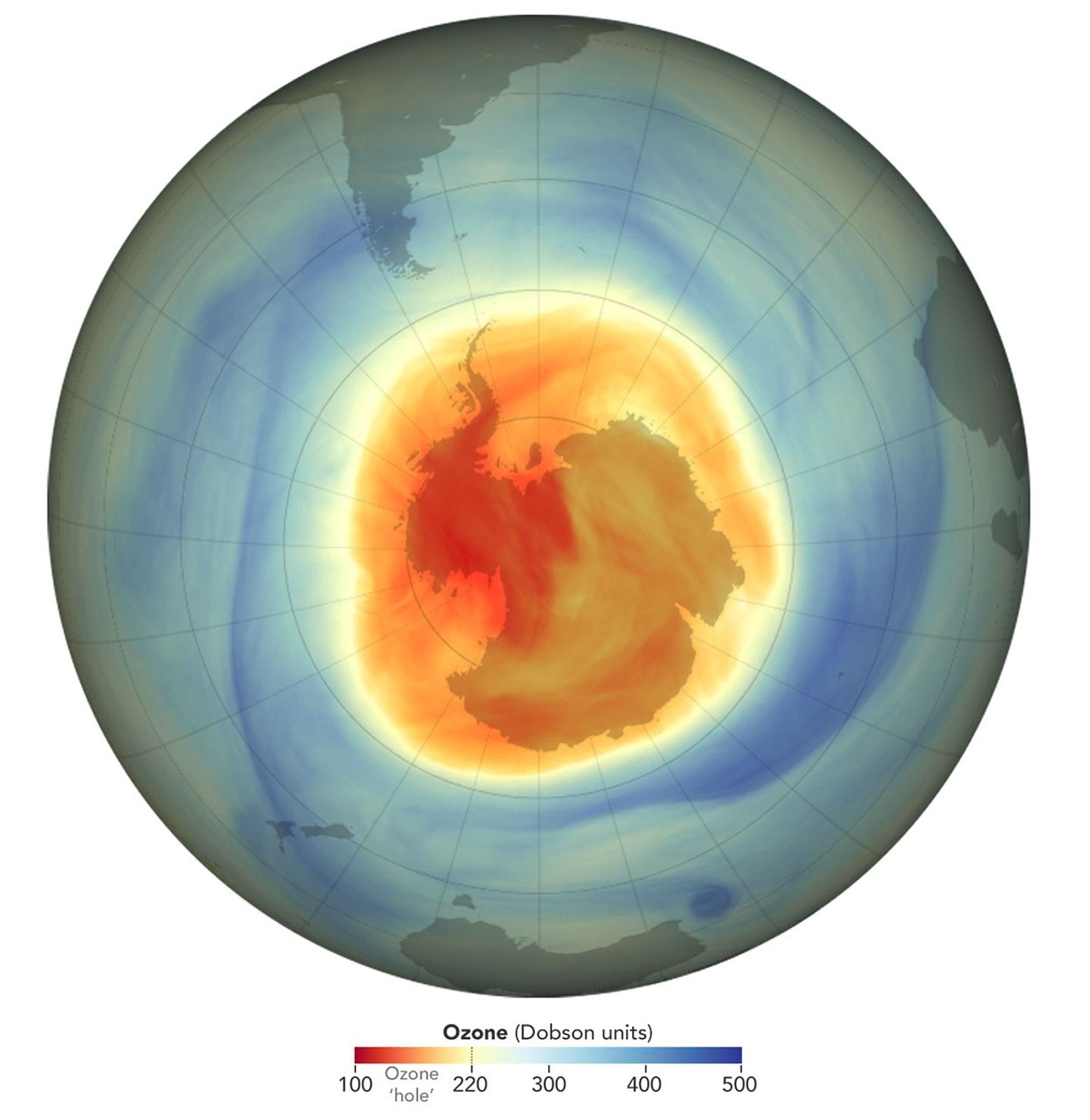
The ozone hole ranked seventh largest by area in 48 years of monitoring, but it was not as deep as other large holes on record.