
European Space Agency (ESA)
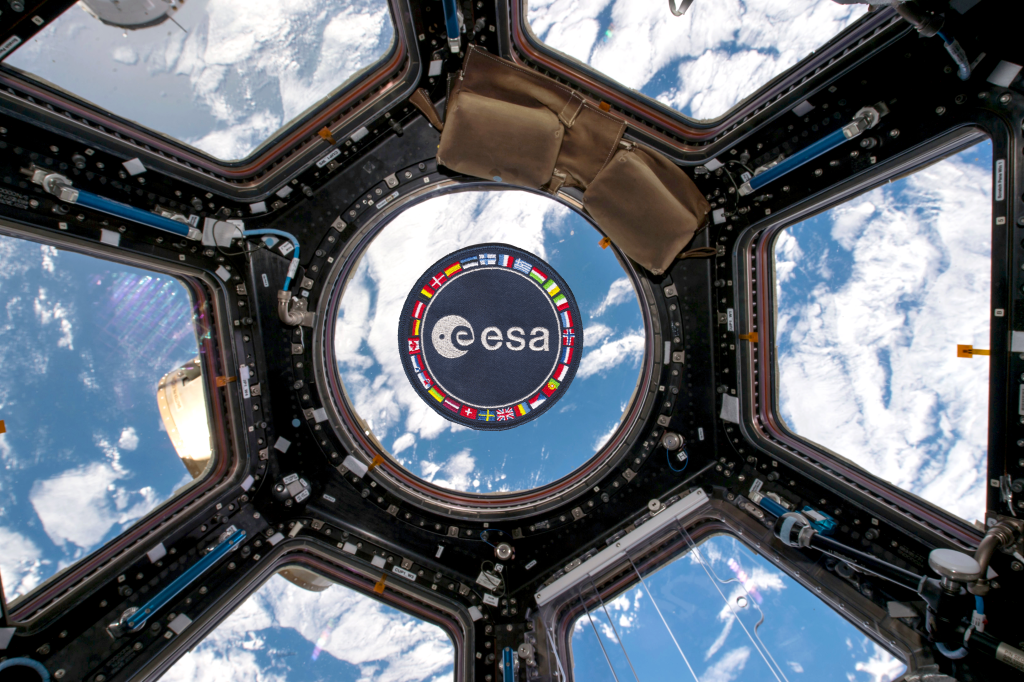
European Space Agency is a multinational space agency, led by Director General: Josef Aschbacher, established in 1975, operating out of France, Italy, Germany, Spain, Switzerland, United Kingdom, Austria, Sweden, Portugal, Netherlands, Hungary, Poland, Denmark, Czechia, Romania, Norway, Finland, Greece, Estonia, Ireland, Luxembourg, Belgium, Slovenia.
The European Space Agency is an intergovernmental organisation of 22 member states. Established in 1975 and headquartered in Paris, France, ESA has a worldwide staff of about 2,000 employees.
ESA's space flight programme includes human spaceflight (mainly through participation in the International Space Station program); the launch and operation of unmanned exploration missions to other planets and the Moon; Earth observation, science and telecommunication; designing launch vehicles; and maintaining a major spaceport, the Guiana Space Centre at Kourou, French Guiana.
European Space Agency Launch & Landing Record
| Total Launches | 7 |
|---|---|
| Successful Launches | 6 |
| Failed Launches | 1 |
| Pending Launches | 1 |
| Consecutive Successful Launches | 5 |
European Space Agency Spacecraft
Development of Space Rider is led by the Italian Programme for Reusable In-orbit Demonstrator in Europe (PRIDE programme) in collaboration with ESA, and is the continuation of the Intermediate eXperimental Vehicle (IXV) experience, launched on 11 February 2015. Contracts for construction of the vehicle and ground infrastructure were signed in December 2020.
The Space Rider (Space Reusable Integrated Demonstrator for Europe Return) is an uncrewed orbital lifting body spaceplane developed by the European Space Agency (ESA) to provide affordable and routine access to space.
Flight Life: Up to two months in LEO