
Atlas LV-3 Agena B (United States Air Force)
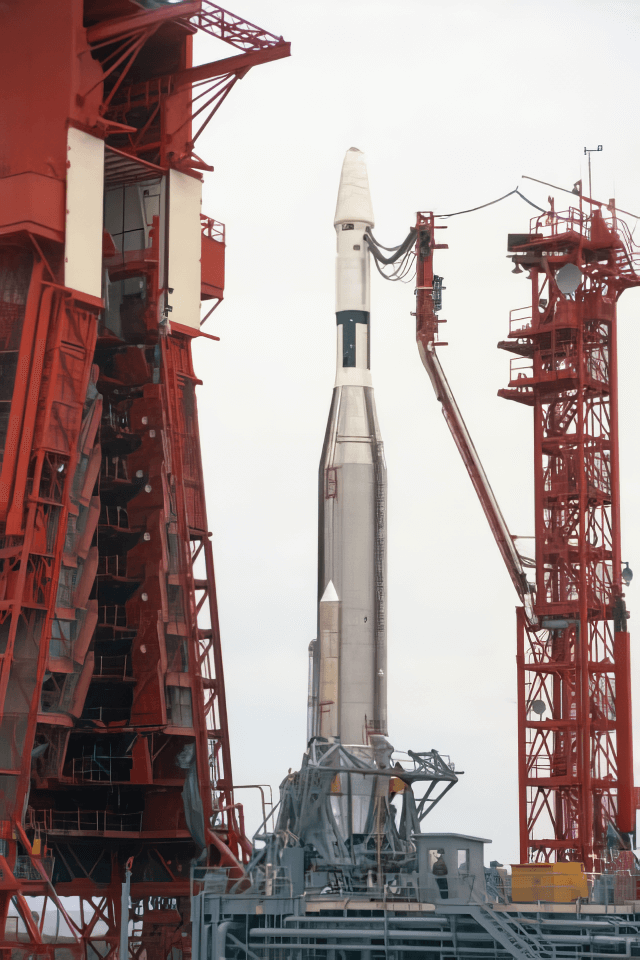
The Atlas LV-3 Agena B is a non-reusable, inactive launch vehicle manufactured by United States Air Force (established in 1947). It undertook its inaugural launch on 01/31/1961.
The Atlas LV-3A was a largely unsuccessful configuration until it was given an Agena B upper stage. It was responsible for the launch of Mariner II to Venus and had one of the first engines that could be restarted in orbit.
Atlas LV-3 Agena B Specifications
| Variant | LV-3 Agena B |
|---|---|
| Length | 20.27 m |
| Diameter | 3.05 m |
| Launch Mass | 130 T |
| Takeoff Thrust | 363 kN |
| Launch Cost | $14,210,000 |
Atlas LV-3 Agena B Launch Record
| Total Launches | 29 |
|---|---|
| Successful Launches | 21 |
| Failed Launches | 8 |
| Consecutive Successful Launches | 6 |
Manufacturer
Commander-in-Chief: President of the US
The United States Air Force (USAF) is the air service branch of the United States Armed Forces, and is one of the eight uniformed services of the United States. Originally created on 1 August 1907, as a part of the United States Army Signal Corps, the USAF was established as a separate branch of the United States Armed Forces in 1947 with the enactment of the National Security Act of 1947.